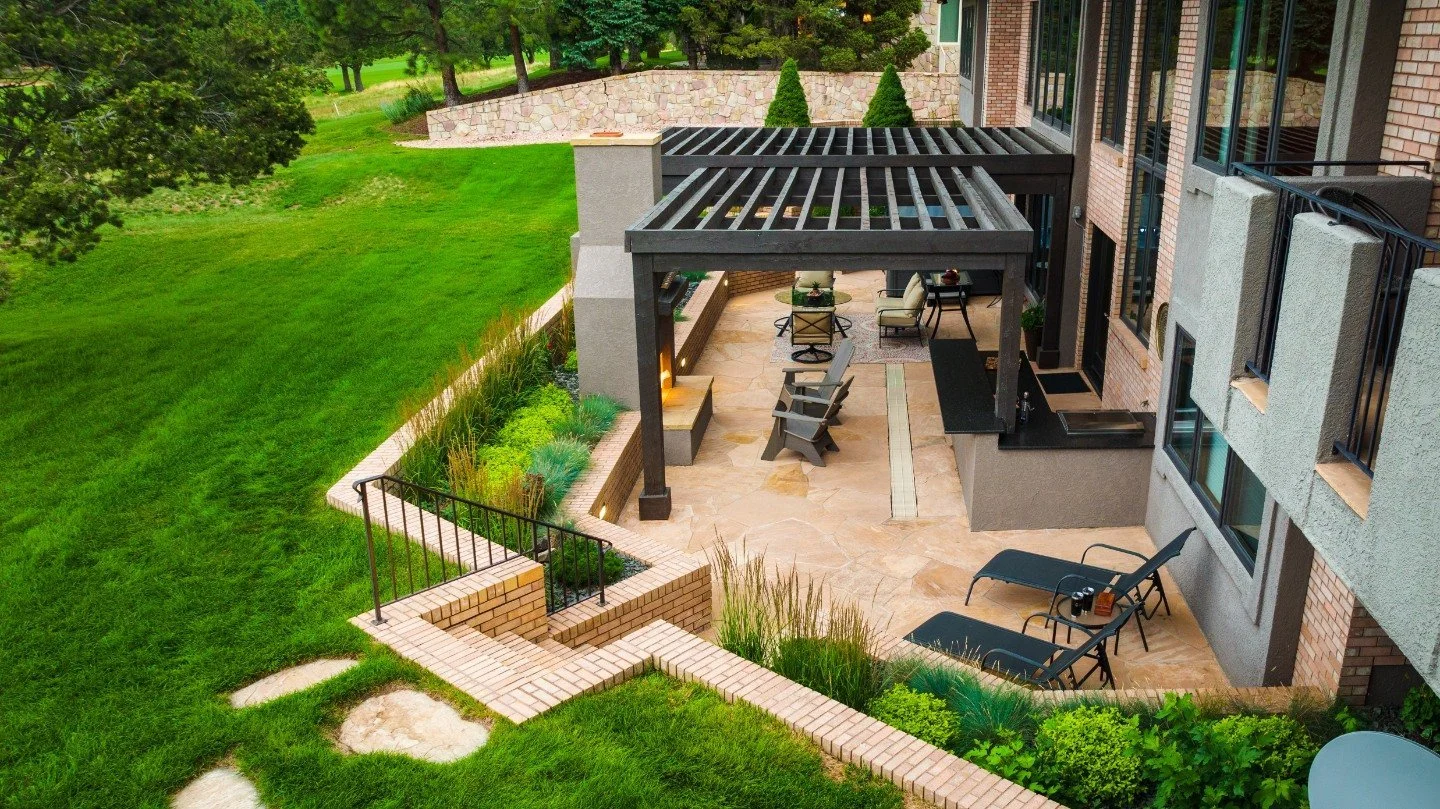
Living Room Decorations Ideas That Instantly Upgrade Your Space, The living room decorations ideas concept revolves around the intentional curation of design elements that elevate comfort, aesthetics, and functionality within the most socially active area of a home. A living room is more than a gathering space. It is a visual narrative of personality, taste, and lifestyle expressed through carefully selected decor choices.

A well-designed living room feels effortless yet composed. Every object contributes to a larger composition that balances beauty and utility. A sofa is not just seating. It becomes a central anchor of visual structure. A coffee table is not just functional. It becomes a stage for curated accents that reflect identity and mood. These subtle layers work together to create a cohesive spatial experience.
Even small adjustments can dramatically shift perception. A change in lighting temperature, the introduction of textured fabrics, or the repositioning of decorative accents can transform the entire atmosphere. These refinements create a sense of freshness without requiring structural renovation.
Atmosphere Shaped by Light and Ambience
Lighting is one of the most influential elements in interior transformation. It defines mood, depth, and spatial perception. Natural light brings clarity and openness, while layered artificial lighting introduces warmth and dimension.
A well-balanced lighting scheme uses variation rather than uniformity. Soft ambient lighting creates relaxation. Focused lighting highlights key areas. Accent lighting introduces subtle drama. When combined, these layers produce a dynamic environment that feels both inviting and sophisticated.
Shadows also play a crucial role. They add depth and sculptural quality to furniture and decor. A softly lit corner can become a quiet retreat within a larger space. This interplay between light and shadow enhances visual richness and emotional comfort.
Texture as a Sensory Enhancement Tool
Texture brings tactile and visual complexity into a living room. It is the silent element that adds depth without overwhelming the senses. Smooth surfaces provide clarity, while rough or woven textures introduce warmth and character.
The living room decorations ideas framework often emphasizes the importance of combining contrasting textures. A velvet sofa paired with a wooden coffee table creates visual balance. A linen curtain beside a metal lamp introduces refined contrast. These combinations prevent monotony and encourage sensory engagement.
Layering textures also adds a sense of coziness. Soft rugs, knitted throws, and upholstered seating work together to create an environment that feels lived-in yet refined. This layering effect enhances both comfort and aesthetic sophistication.
Color Harmony and Emotional Tone
Color defines the emotional identity of a living room. It influences how the space is perceived and experienced on a subconscious level. Neutral palettes often create calmness and spaciousness, while deeper tones introduce intimacy and richness.
A cohesive color scheme ensures visual harmony. When tones are carefully balanced, the room feels unified and intentional. Accent colors can be introduced strategically to add energy without disrupting equilibrium.
Subtle tonal variation adds refinement. Even within a limited palette, shifts in shade and saturation create depth. This prevents visual flatness and enhances the overall elegance of the space.
Furniture Arrangement and Spatial Flow
The arrangement of furniture determines how a living room functions and feels. Proper spacing ensures comfort and ease of movement. It also defines focal points within the space.
A well-structured layout creates natural flow. Seating areas should encourage interaction while maintaining openness. Overcrowding can disrupt visual clarity, while excessive spacing may feel disconnected. Balance is essential for spatial harmony.
The living room decorations ideas approach often prioritizes flexibility. Modular furniture or movable pieces allow spaces to adapt to different needs. This adaptability ensures that the room remains functional and visually engaging over time.
Decorative Accents That Define Personality
Decorative accents are the expressive details that give a living room its unique identity. These include artwork, sculptures, vases, and curated objects that reflect personal taste.
Each accent contributes to storytelling within the space. A framed artwork can introduce cultural influence. A sculptural piece can add artistic sophistication. Even minimal decor choices can create strong visual impact when placed thoughtfully.
Grouping decorative items creates visual rhythm. However, restraint is essential. Over-decoration can lead to visual clutter, while carefully selected pieces enhance clarity and elegance.
The Role of Natural Elements
Incorporating natural elements brings freshness and vitality into interior environments. Plants, organic materials, and natural textures introduce a sense of life and balance.
Greenery softens structured interiors and adds organic contrast. Wooden elements provide warmth and grounding. Stone textures introduce timeless stability. These natural components create a calming effect that enhances overall comfort.
The presence of nature indoors also improves emotional well-being. It creates a subtle connection to the outside world, making the living room feel more open and balanced.
Visual Balance and Composition Techniques
A visually balanced living room feels harmonious and intentional. This balance is achieved through proportion, alignment, and distribution of elements.
Large furniture pieces anchor the space, while smaller decor items provide detail and refinement. Symmetry can create order, while asymmetry introduces dynamic interest. Both approaches are valid when applied thoughtfully.
Negative space plays an essential role in composition. It prevents visual overload and allows key elements to stand out. This breathing room enhances clarity and sophistication within the design.
Layered Styling for Depth and Dimension
Layering is a powerful technique in interior styling. It involves combining multiple elements at different visual levels to create depth.
Rugs layered over flooring define zones and add texture. Cushions layered on sofas introduce comfort and color variation. Wall decor layered at different heights creates visual interest and dimension.
The living room decorations ideas philosophy often embraces layering as a method of enhancing richness without excessive complexity. When done correctly, it creates a curated yet natural aesthetic that feels both intentional and effortless.
Creating a Cohesive Living Experience
A well-decorated living room is not defined by individual objects alone but by how those objects interact. Cohesion emerges when color, texture, light, and arrangement work together seamlessly.
Every element contributes to a unified experience. Nothing feels random or disconnected. Instead, the space communicates a consistent visual language that reflects harmony and intention.
This cohesion transforms the living room into more than a functional area. It becomes an immersive environment where comfort and design coexist naturally.
The Living Room as a Personal Expression Space
The living room ultimately serves as a reflection of lifestyle and identity. Through thoughtful decoration, it becomes a space that expresses personality while maintaining comfort and practicality.
Every choice, from furniture selection to decorative accents, contributes to this expression. The result is a living environment that feels both curated and authentic.
Within this evolving design landscape, the living room decorations ideas concept continues to guide the creation of spaces that feel elevated, expressive, and deeply connected to everyday living.
About the Author