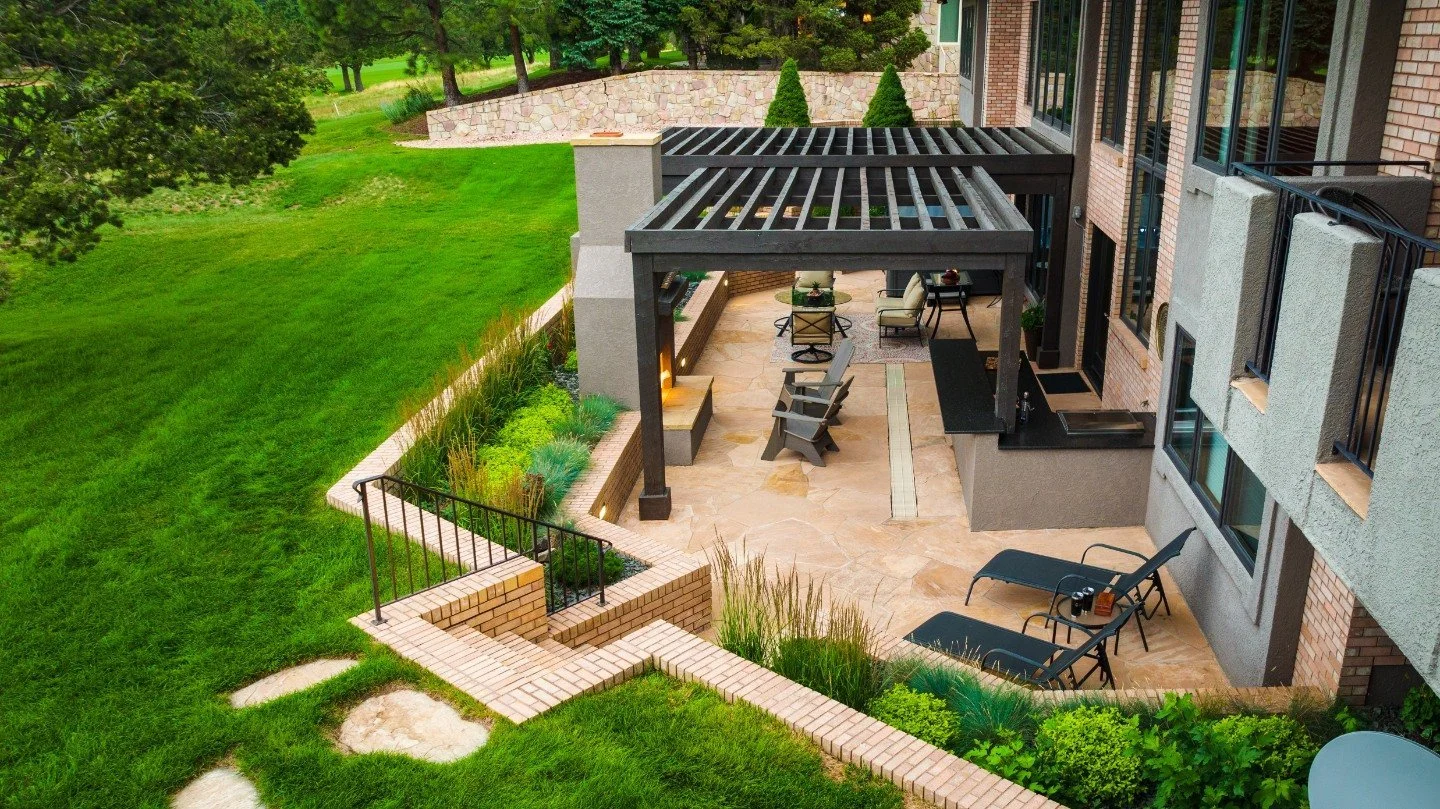
Introduction & Background
Your home should be more than just a place to live. It should be a reflection of your personality, a source of comfort, and a sanctuary where you can escape the stresses of daily life. Transforming your home into a stylish sanctuary doesn’t require a complete overhaul or a massive budget. Small, thoughtful changes can make a significant difference in how your space feels and functions. Whether you’re moving into a new place or simply want to refresh your current one, creating a stylish sanctuary is about blending aesthetics with functionality to craft a space that feels uniquely yours.
Concept & Overview
A stylish sanctuary is a home that balances beauty and practicality. It’s a space designed to nurture your well-being while showcasing your personal style. The key principles involve decluttering, optimizing light, choosing a cohesive color palette, and incorporating meaningful decor. The goal is to create an environment that feels both inviting and inspiring, where every element contributes to a sense of harmony and tranquility. By focusing on these core ideas, you can turn any home into a retreat that rejuvenates your mind and body.
Key Features & Highlights
- Declutter and Simplify: Start by removing unnecessary items that clutter your space. A minimalist approach not only makes rooms feel larger but also reduces stress. Keep only what you love or use regularly.
- Optimize Natural Light: Maximize the amount of natural light in your home by using sheer curtains, mirrors, and light-colored walls. Natural light enhances mood and makes spaces feel more open and airy.
- Choose a Cohesive Color Palette: Select a color scheme that resonates with you and stick to it throughout your home. Neutral tones create a calming backdrop, while accent colors can add personality and vibrancy to specific areas.
- Invest in Quality Furniture: Furniture should be both stylish and functional. Invest in pieces that offer comfort and durability while complementing your overall design aesthetic. Avoid overcrowding rooms with too much furniture.
- Incorporate Textures and Layers: Soft furnishings like rugs, throw blankets, and cushions add warmth and depth to a space. Mixing different textures creates visual interest and makes rooms feel cozier.
- Add Greenery: Plants bring life to your home and improve air quality. Choose low-maintenance varieties like snake plants or pothos if you’re new to plant care. They add a touch of nature and calmness to any room.
- Personalize with Art and Decor: Display artwork, photographs, or decorative objects that hold sentimental value. These personal touches make your home feel more inviting and uniquely yours.
- Create Zones for Relaxation: Designate specific areas for relaxation, such as a reading nook or a cozy corner with a comfortable chair and soft lighting. These dedicated spaces encourage downtime and self-care.
- Use Smart Storage Solutions: Clutter-free spaces feel more serene. Opt for stylish storage solutions like baskets, shelves, or multi-functional furniture to keep items organized and out of sight.
- Pay Attention to Lighting: Layered lighting is essential for creating ambiance. Combine overhead lights with task lighting, such as table lamps or floor lamps, and accent lighting to highlight focal points in your home.
Frequently Asked Questions / Pros & Cons
What is the first step to transforming my home into a stylish sanctuary?
Decluttering and simplifying your space should be your first priority. Removing excess items not only makes cleaning easier but also helps you identify what truly brings you joy. Start with one room at a time to avoid feeling overwhelmed.
How can I make a small space feel more open and airy?
Maximize natural light by using sheer curtains and placing mirrors strategically to reflect light. Light-colored walls and furniture can also make a small space feel larger. Avoid overcrowding with too much furniture and keep pathways clear.
Is it necessary to follow a specific color palette?
A cohesive color palette isn’t mandatory, but it helps create a harmonious flow throughout your home. Choose colors that evoke the mood you want in each space. For example, soft blues and greens promote relaxation, while warm tones like yellow or orange energize a room.
Pros and Cons of Open Floor Plans:
Pros: Open floor plans create a sense of spaciousness and allow for better flow between rooms. They’re ideal for entertaining and make it easier to keep an eye on family members or pets.
Cons: Lack of privacy can be an issue, and it may be challenging to define separate zones for different activities. Sound can carry easily, which might not be ideal for those who value quiet.
How do I choose the right furniture for my sanctuary?
Focus on comfort, functionality, and style. Prioritize quality over quantity, and choose pieces that serve a purpose while complementing your design aesthetic. Consider the scale of your furniture relative to your room size to avoid overcrowding.
Practical Guidance & Solutions
Now that you understand the key features of a stylish sanctuary, here’s how to implement these ideas in your own home:
Start with a Deep Clean
Before making any changes, thoroughly clean your home from top to bottom. Dust surfaces, vacuum floors, and scrub bathrooms and kitchens. A clean space sets the foundation for a fresh, organized sanctuary.
Assess Your Space
Walk through each room and identify its purpose. Is it a living area, a workspace, or a relaxation zone? Understanding the function of each space will guide your decor choices and furniture placement.
Create a Mood Board
Gather inspiration from magazines, Pinterest, or home decor websites. Create a mood board to visualize your desired aesthetic. Include colors, textures, and furniture styles that resonate with you. This will help you stay focused and avoid impulsive purchases.
Invest in Multi-Functional Furniture
If you’re working with limited space, choose furniture that serves multiple purposes. For example, a sofa bed can double as a guest sleeping area, or an ottoman with storage can provide extra seating and a place to stash blankets.
Focus on Lighting
Layer your lighting to create the right ambiance. Use overhead lights for general illumination, task lighting for specific activities like reading or cooking, and accent lighting to highlight artwork or architectural features. Dimmer switches are a great addition for adjusting light levels.
Add Personal Touches
Display items that hold sentimental value, such as family photos, travel souvenirs, or heirlooms. These personal touches make your home feel more meaningful and reflective of who you are. Don’t be afraid to mix old and new pieces for a curated look.
Keep It Fresh
A stylish sanctuary should evolve with your tastes and lifestyle. Regularly update decor, swap out textiles for seasonal colors, and declutter periodically to maintain a peaceful environment. Small changes can keep your space feeling new and exciting.
Conclusion
Transforming your home into a stylish sanctuary is a journey that combines creativity, intention, and a touch of self-care. By decluttering, optimizing light, choosing a cohesive color palette, and incorporating meaningful decor, you can craft a space that feels both beautiful and restorative. Remember, the goal isn’t perfection but creating a home that nurtures your well-being and reflects your unique style. Start small, stay true to your vision, and enjoy the process of turning your house into a sanctuary you love coming home to.
About the Author