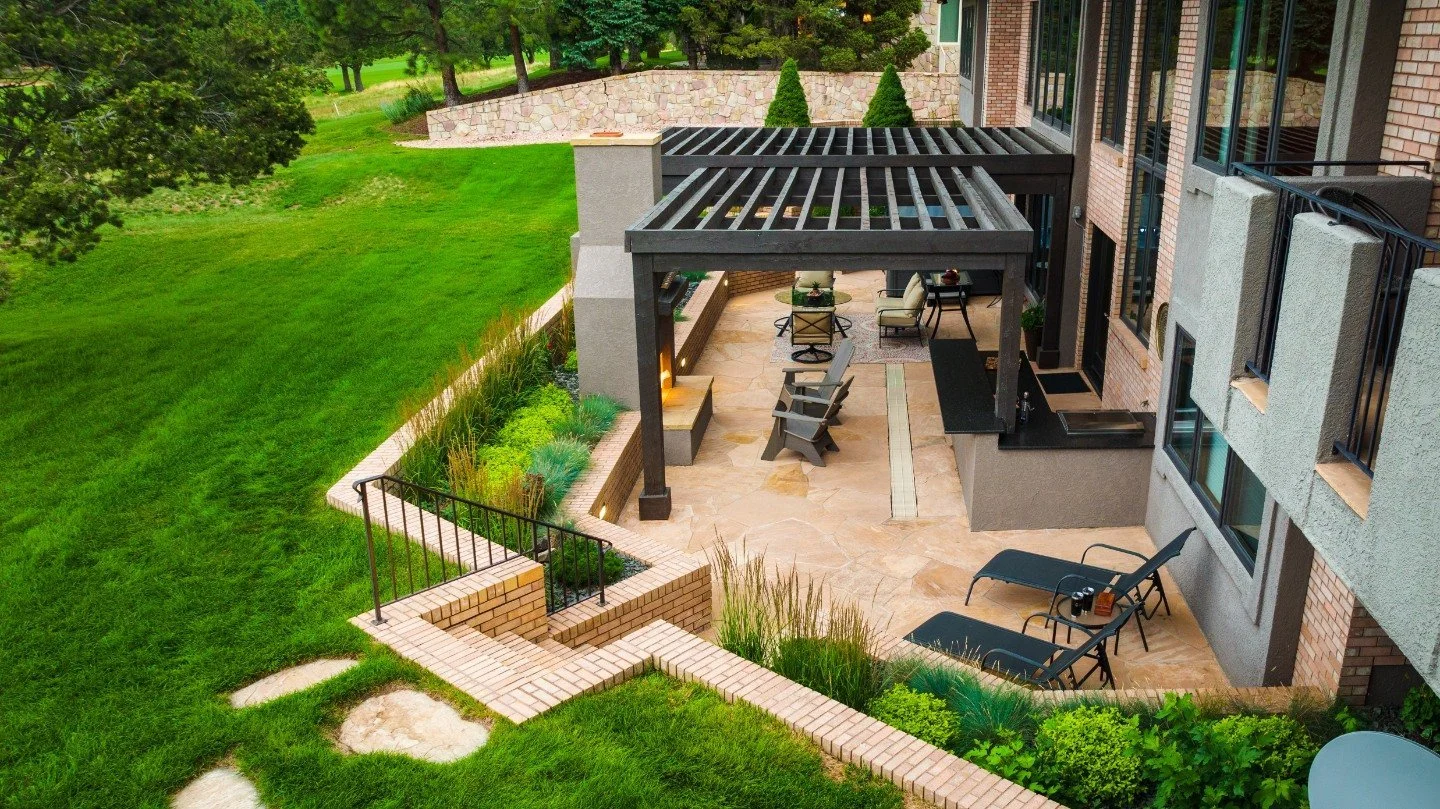
Seasonal Home Decor Trends You Need to Try Now, A home that evolves with the seasons carries a sense of rhythm and vitality that keeps interiors feeling fresh, expressive, and emotionally aligned with the world outside. Each shift in weather brings new inspiration, new textures, and new color stories that gently reshape the environment. In this dynamic approach to styling, seasonal home decor trends become a living guide for refreshing interiors in ways that feel natural, intentional, and visually engaging.

Rather than relying on static design, seasonal styling encourages adaptability. Spaces are not frozen in a single aesthetic but instead respond fluidly to changes in light, temperature, and mood. This creates a home that feels continuously renewed, where even familiar rooms take on a different character throughout the year.
Natural Integration and Organic Aesthetics
One of the most influential movements in seasonal design is the return to nature inspired interiors. Organic materials and earthy tones create a grounding effect that aligns indoor spaces with the natural world. This approach emphasizes authenticity, using elements that feel raw, tactile, and inherently calming.
Wood textures, stone accents, dried botanicals, and woven fibers all contribute to this aesthetic direction. These materials bring subtle imperfection, which enhances visual warmth and emotional depth. Their presence creates a connection between interior comfort and outdoor serenity, allowing spaces to feel more balanced and alive.
Natural integration also extends to color palettes. Muted greens, soft browns, sandy neutrals, and gentle clay tones often dominate seasonal transitions. These hues shift subtly with the time of year, echoing changes in the environment outside the home. The result is a harmonious blend of interior and exterior inspiration that feels cohesive and soothing.
Light Adaptation and Atmospheric Shifts
Lighting plays a transformative role in seasonal interior styling. As daylight patterns change throughout the year, indoor lighting must adapt to maintain comfort and visual appeal. This adaptation creates an evolving atmosphere that reflects the natural progression of time.
During brighter seasons, spaces benefit from open, airy illumination that enhances clarity and freshness. Natural light becomes the primary design element, filling rooms with vibrancy and openness. In contrast, cooler seasons invite warmer, more concentrated lighting that introduces intimacy and softness.
Layered lighting techniques allow for this flexibility. Ambient lighting provides a consistent base, while accent lighting introduces depth and focus. Decorative lighting elements, such as softly glowing fixtures or diffused lamps, add emotional warmth. Together, these layers create a dynamic environment that adjusts effortlessly with seasonal transitions.
Textural Evolution and Sensory Depth
Texture is a defining feature of seasonal interior design. As seasons change, so do the tactile qualities that feel most comforting and visually appropriate. Lightweight fabrics may dominate warmer periods, while richer, more substantial materials become prominent during cooler months.
Linen, cotton, and airy weaves introduce a sense of freshness and breathability. These materials work well in creating light, relaxed environments. As temperatures drop, heavier textiles such as wool, velvet, and textured knits bring warmth and depth. This shift in materiality enhances both physical comfort and visual richness.
Layering textures adds dimension to interiors without overwhelming the space. A combination of smooth and coarse surfaces creates subtle contrast that keeps environments visually engaging. In this evolving framework, seasonal home decor trends often emphasize tactile storytelling, where each material contributes to the emotional tone of the space.
Color Transitions and Emotional Atmosphere
Color is one of the most expressive tools in seasonal design. Each period of the year carries its own palette, influencing mood and spatial perception. These shifts allow interiors to remain dynamic and emotionally responsive.
Spring and summer often embrace lighter, more vibrant tones. Soft pastels, sun washed yellows, and fresh greens introduce energy and renewal. These colors create an uplifting atmosphere that reflects growth and openness. Autumn and winter, on the other hand, transition toward deeper, more grounded shades. Rich burgundy, forest green, charcoal, and warm amber evoke comfort and introspection.
The key to effective seasonal color integration lies in subtlety. Rather than complete overhauls, small adjustments in accents and textiles can significantly alter mood. This allows interiors to evolve gradually while maintaining continuity and cohesion throughout the year.
Spatial Reconfiguration and Adaptive Layouts
Seasonal design also influences how spaces are arranged and experienced. Furniture placement and spatial flow can be adjusted to reflect changing needs and activities associated with different times of year.
During warmer months, open layouts encourage movement and air circulation. Spaces feel more expansive and social, supporting activity and interaction. In cooler seasons, arrangements often become more compact and intimate, creating cozy zones for rest and reflection.
This adaptability enhances both functionality and emotional comfort. By subtly reconfiguring layouts, interiors remain aligned with seasonal rhythms without requiring major structural changes. The result is a living environment that feels responsive and thoughtfully maintained.
Decorative Layers and Subtle Accents
Decorative elements play a crucial role in expressing seasonal identity. Small accents can significantly influence the overall atmosphere of a room, allowing for quick and effective transitions between styles.
Floral arrangements, natural branches, sculptural objects, and seasonal ornaments all contribute to visual storytelling. These elements can be rotated or refreshed to reflect current trends and seasonal moods. Their flexibility makes them ideal for maintaining visual interest throughout the year.
Within this approach, seasonal home decor trends encourage mindful curation rather than accumulation. Each decorative piece is selected for its relevance to the current season, ensuring that the space feels intentional and continuously evolving.
Final Seasonal Harmony and Living Design
A home that embraces seasonal transformation becomes a space of continuous renewal and quiet sophistication. Every shift in color, texture, and lighting contributes to an evolving narrative that reflects both nature and personal expression. This fluid approach ensures that interiors remain engaging, comfortable, and visually balanced throughout the year.
The harmony between natural inspiration and interior design creates a seamless connection between indoor living and external cycles. Spaces feel more alive, more responsive, and more attuned to the passage of time. This ongoing evolution enriches everyday living with subtle variety and emotional depth.
In its most refined expression, seasonal home decor trends shape interiors that are not static but living, where design adapts gracefully with time and every season brings a renewed sense of beauty and atmosphere.
About the Author